
The new Save the Meniscus awareness campaign highlights the importance of the meniscus for the long-term health of the knee joint. Thanks to modern minimally invasive techniques, doctors are increasingly seeking to preserve and repair damaged menisci. Appropriate treatment can help reduce the risk of osteoarthritis and delay or eliminate the need for joint replacement.
All it takes is one awkward step, a sudden change of direction or improperly managed physical activity, and the meniscus can become injured. Meniscus injuries are not limited to professional athletes. They occur just as frequently among amateur athletes and people who suddenly return to intensive physical activity after a longer break.
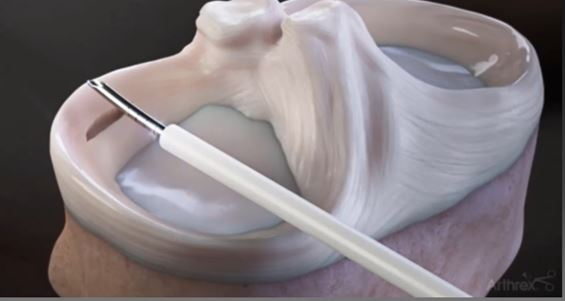
The meniscus is a small but very important part of the knee joint. By absorbing shocks, stabilizing the knee and distributing load, it protects the articular cartilage, which, unlike some other tissues, has only a limited ability to regenerate.
The importance of prevention, early diagnosis and modern treatment options is highlighted by the new Save the Meniscus awareness campaign, created in cooperation with Arthrex, the professional organizations Czech Society for Orthopaedics and Traumatology (ČSOT), Society for Sports Traumatology and Arthroscopy of the Czech Medical Association J. E. Purkyně (SSTA), and the Slovak Society for Sports Traumatology and Arthroscopy (SSAST).
The Meniscus as Protection for the Knee Joint
The menisci act as natural shock absorbers between the femur and tibia. They help distribute pressure within the joint, provide stability and support the proper distribution of synovial fluid, which nourishes and lubricates the cartilage.
“If a significant part of the meniscus is missing, the knee loses an important shock absorber and protection for the articular cartilage. In selected patients, particularly younger ones, meniscal transplantation using donor tissue may be considered, but this is not a solution for everyone, and the original meniscus can never be completely replaced. This is precisely why it is essential to preserve as much of the patient’s own healthy meniscal tissue as possible during the first procedure. Every millimeter of preserved meniscus can be important for the long-term future of the knee,” explains Prof. MUDr. Petr Zeman, Ph.D., MBA, member of the committee of the Society for Sports Traumatology and Arthroscopy of the Czech Medical Association J. E. Purkyně, Department of Orthopaedics and Traumatology of the Musculoskeletal System, University Hospital in Plzeň.
Following a meniscus injury, the load placed on the cartilage may gradually increase, potentially leading to osteoarthritis over the long term. This is why the approach to treating meniscus injuries has changed significantly in recent years.
“Just a few years ago, it was common practice to remove the entire meniscus or its damaged portion when an injury occurred. Today, we know that the absence of the meniscus leads to degenerative changes that can result in osteoarthritis. Whenever possible, we aim to preserve the meniscus and restore its function through reconstruction. The goal of modern treatment is not simply to eliminate pain, but above all to preserve knee function for the future,” says Prof. MUDr. Vojtěch Havlas, Ph.D., Chairman of the Czech Society for Orthopaedics and Traumatology of the Musculoskeletal System, Head of the Department of Paediatric and Adult Orthopaedics and Traumatology at the 2nd Faculty of Medicine, Charles University, and Motol University Hospital and Homolka Hospital.
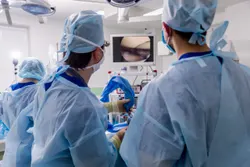
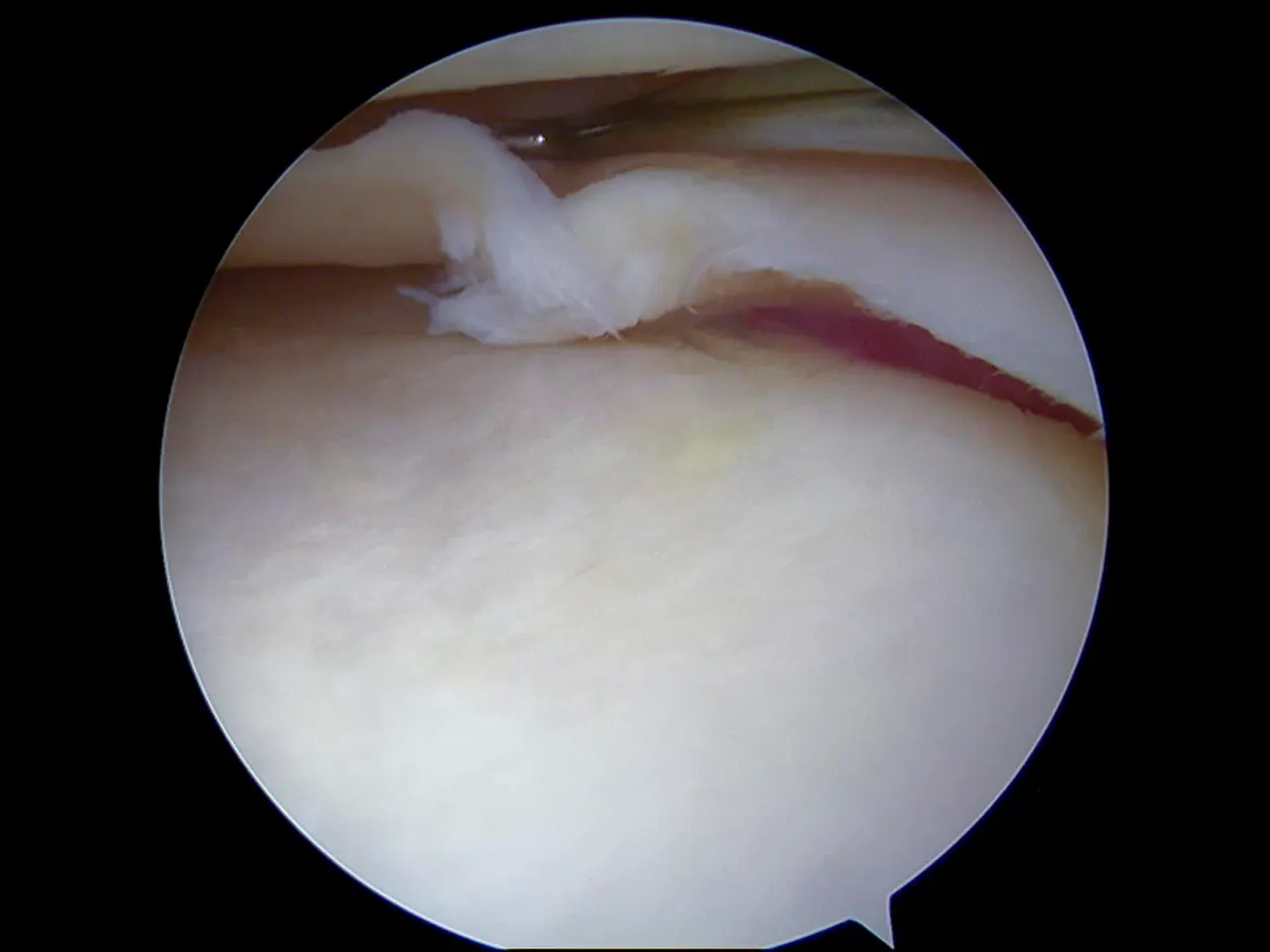
“Modern orthopaedics increasingly uses gentle, minimally invasive techniques that make it possible to preserve the meniscus. One of the most common methods is arthroscopic surgery, a procedure performed through small incisions in the knee, allowing the physician to accurately assess the extent of the damage and choose the most appropriate treatment,” says Assoc. Prof. MUDr. Jakub Kautzner, Ph.D., Vice-Chairman of the Society for Sports Traumatology and Arthroscopy of the Czech Medical Association J. E. Purkyně, Department of Paediatric and Adult Orthopaedics and Traumatology, 2nd Faculty of Medicine, Charles University, and Motol University Hospital and Homolka Hospital.
“When repairing a meniscus, its healing capacity is an important factor, particularly its blood supply. In some cases, biological healing support methods can also be used, such as the application of platelet-rich plasma,” concludes MUDr. Radim Kalina, Ph.D., Chairman of the Society for Sports Traumatology and Arthroscopy of the Czech Medical Association J. E. Purkyně, Department of Orthopaedics, University Hospital Olomouc.
When preserving the meniscus, the quality of healing is more important than speed. Recovery after meniscus repair is generally longer than after removal of part of the damaged tissue. This is because the aim is to give the meniscus sufficient time to heal. Properly guided rehabilitation and gradual loading are key to a successful return to active movement and sport.
Physical activity is important for joint health. However, appropriate management of exercise load is essential.
How to Take Care of Healthy Knees
- regularly strengthen the thigh and gluteal muscles, which help stabilize the knee,
- work on balance and movement coordination,
- always warm up before exercise and increase the load gradually,
- pay attention to proper technique when performing squats, landing or changing direction,
- do not ignore pain or swelling, as these may be signs that the knee needs rest or professional examination.
Save the Meniscus Awareness Campaign
The Save the Meniscus project was created to raise public awareness of the importance of the meniscus, prevention, early diagnosis and modern approaches to treating meniscus injuries.
The campaign provides information on how to recognize symptoms of meniscus problems, when to seek professional medical help and why preserving the meniscus, rather than removing it, is increasingly preferred in modern treatment.
The main message of the project is simple: a preserved meniscus means a better chance of maintaining a healthy and active knee in the future.
More information about the campaign and knee care:
www.zachranmeniskus.cz
.png)
.jpg)
.jpeg)
 in Prague, Czech Republic.jpg)